Dec 6 & Dec 13
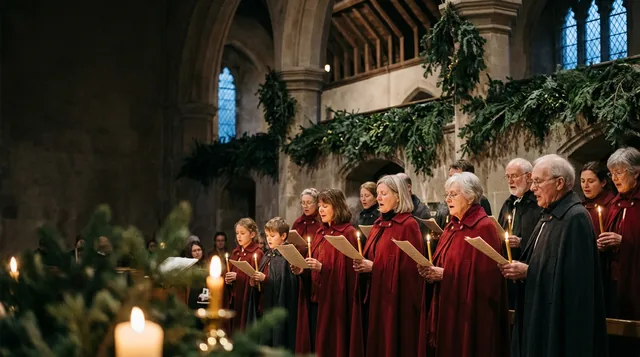
St. Nicholas Day in Central Europe and St. Lucia’s Day in Nordic countries.
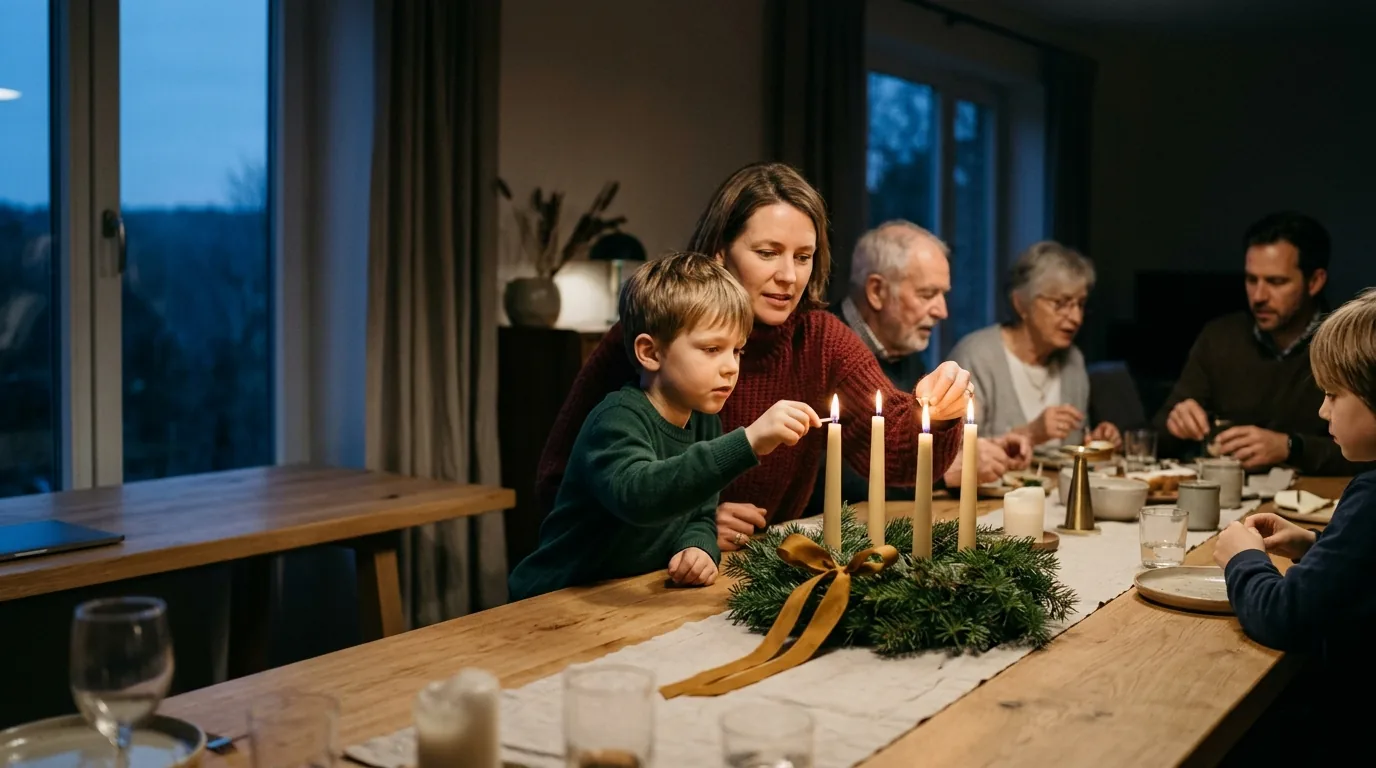
From Advent and St. Nicholas Day to Nochebuena, Boxing Day, Epiphany, and Candlemas.
St. Nicholas Day in Central Europe and St. Lucia’s Day in Nordic countries.
Nochebuena / Christmas Eve, Christmas Day, and St. Stephen’s / Boxing Day.
Epiphany (Three Kings), Julian Christmas (Jan 7), and Candlemas (Feb 2).
Across cultures, the Christmas season spans weeks rather than a single day. Depending on region and church calendar, observances begin with Advent or St. Nicholas Day in early December and extend through Epiphany on January 6, Julian-calendar Christmas on January 7, or Candlemas on February 2.
Western Christian churches open the liturgical year with Advent, four Sundays before Christmas. In Central and Northern Europe, St. Nicholas Day (December 6) and St. Lucia’s Day (December 13) mark early winter celebrations, while Latin American communities begin Immaculate Conception vigils (December 7–8), Las Posadas (December 16–24), and Misas de Aguinaldo.
In much of Europe and Latin America, the main family meal and gift exchange take place on Christmas Eve (Nochebuena, December 24), often followed by Midnight Mass (Misa del Gallo). December 25 is a public holiday across dozens of nations, and December 26 is observed as St. Stephen’s Day or Boxing Day in the United Kingdom, Canada, Australia, and parts of Central Europe.
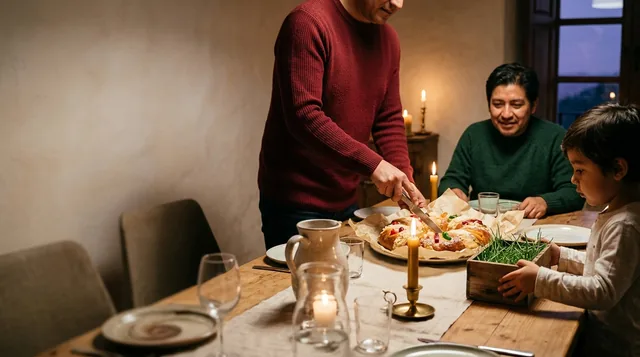
Spain, Italy, and much of Latin America celebrate Epiphany (Día de los Reyes Magos) on January 6 with parades and sweet breads. Several Eastern Orthodox and Oriental Orthodox churches mark Christmas on January 7 (Gregorian equivalent of December 25 Julian). In Mexico, Venezuela, and Andean communities, nativity scenes often remain on display until Candlemas (Día de la Candelaria) on February 2.
From fourth-century Roman calendars and medieval folk carols to nineteenth-century family customs.
How St. Francis of Assisi’s 1223 Greccio gathering inspired centuries of nativity craftsmanship.
Historical origins, traditional names, parades, and January 6 gift-giving customs.